Commercial Cleaning Authority
You must have regular cleaning based upon potential hazards, operational volume, allergen concerns, and regulatory checks, plus verification documentation demonstrating HACCP compliance, regulatory audits, and public health standards. The information below detail essential sanitation program components.
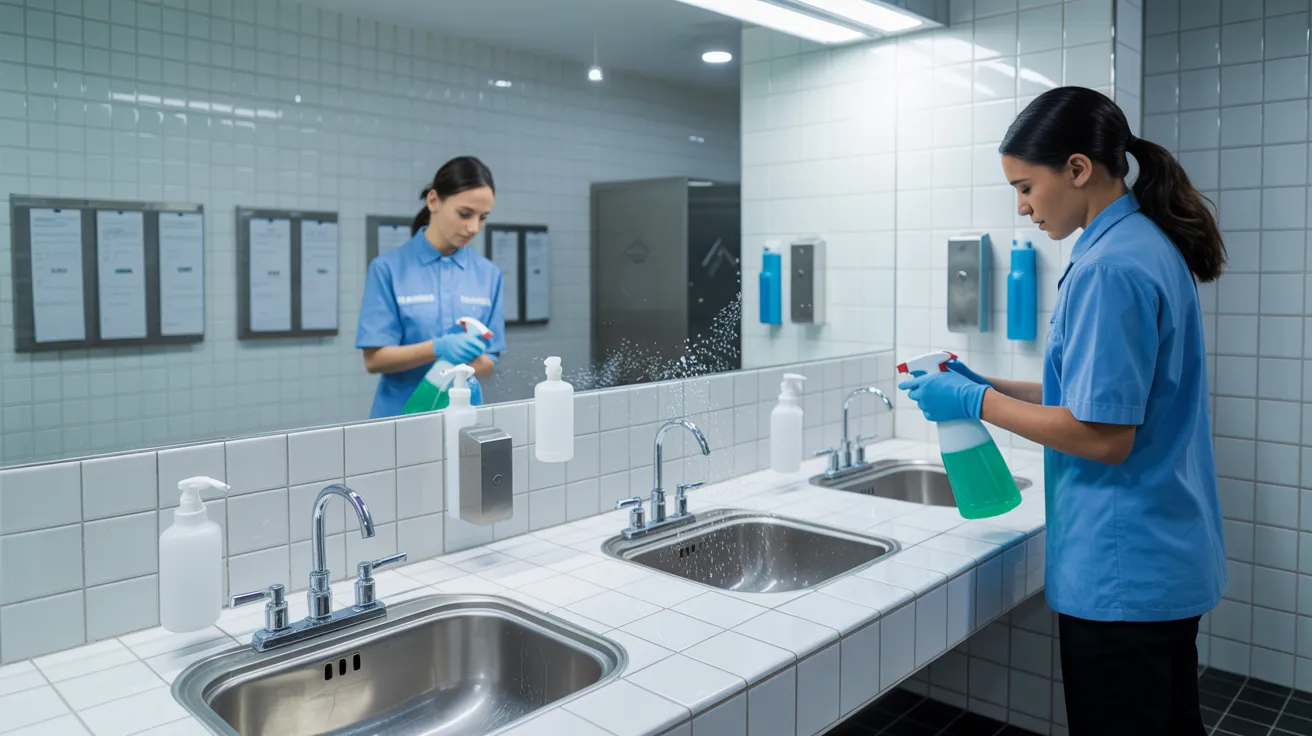
Main Points
- Brampton sanitation experts service restaurants, grocery departments, commissaries, warehouses, bakeries, schools, mobile vendors, and allergen-sensitive operations.
- Cross-contamination elimination is ensured by sanitizing frequently contacted areas, food-contact equipment, kitchens, floors, drains, restrooms, and storage areas with area-specific procedures.
- Approved sanitizer dilution, compatibility, and exposure duration are confirmed by trained providers, with finalization recorded via samples, audits, and remedial documentation.
- Optimal sanitation calendars consider risk, production volume, transitions, spills, and requirements when assigning daily, periodic, and periodic duties by area.
- Insurance, color-categorized implements, HACCP, sanitation knowledge, WHMIS instruction, references, and assessment-ready sanitation documentation are essential contractor characteristics.
Food Safety Cleaning Requirements for Brampton Establishments
Brampton venues that manage, store, prepare, package, or offer food require food sanitation. Implement it if your operation is regulated by public health inspections, food codes, or HACCP requirements. The rule covers restaurants, cafeterias, commissaries, grocery food departments, butcher shops, seafood counters, convenience stores, and institutional kitchens.
You'll equally need documented food sanitation in warehouses, food manufacturing plants, cold storage sites, retail bakeries, school nutrition programs, banquet halls, and meal delivery hubs. Seasonal and mobile ventures are included, such as mobile kitchens, market vendors, and seasonal booths. Should your employees process ingredients, portion ready-to-eat items, reheat products, or store allergens, your facility requires established hygiene documentation. In Brampton, hygiene stays necessary; it constitutes legal, operational, and consumer protection compliance.
What Do Brampton Cleaning Experts Clean?
You need skilled cleaning experts who disinfect high-touch surfaces, cooking areas, flooring, and restroom facilities to maintain food safety and public health requirements. These areas are targeted because they carry the greatest contamination risk, falling hazards, and health code violations.
When you know their cleaning scope, you can ensure your operation's cleaning procedures satisfy operational and regulatory requirements.
Essential High-Touch Surface Cleaning
create a sanitizing frequency
verify effective sanitization
Kitchen Areas, Floor Surfaces, and Bathroom Spaces
Professional cleaners in Brampton concentrate on kitchens, floors, and restrooms given that each location involves specific food safety, falling hazards, and public health requirements. In industrial kitchens, you need degreasing on cook lines, equipment exteriors, drains, prep surfaces, and splash zones to reduce bacterial growth and pest activity.
Professional floor upkeep with documentation is also included. is likewise provided as part of the service.
Restroom cleaning requires disinfecting touch areas, bathroom equipment, stall barriers, supply stations, and bins, replacing items and managing smells. They also maintain restaurant cleaning supply rooms where product storage, sink cleanliness, and drain systems impact daily sanitation standards and worker protection.
Food Safety Cleaning Significance for Brampton Businesses
Brampton operations require proper hygiene standards to fulfill compliance obligations and pass audits. You also reduce cross-contamination by cleaning and sanitizing food-contact surfaces, equipment, and high-touch areas correctly. Most importantly, you safeguard public health by lowering the risk of foodborne illness in your facility.
Sanitary Standards Adherence
Food establishments in Brampton face stringent health requirements, making food safety cleaning crucial to satisfying health code requirements, ensuring the safety of patrons, and preventing enforcement action. You must maintain hygienic food handling zones, written maintenance records, safe chemical management, and documented employee protocols that correspond to municipal and provincial inspection expectations.
Keeping strong cleaning records proves due diligence for inspection audits and shows that your operations are reliable, consistent, and tracked.
Cross-Contamination Prevention
Adhering to regulatory guidelines requires your skill in preventing cross-contamination throughout daily food handling and cleaning. You need to separate raw ingredients from ready-to-eat foods, clean prep surfaces between tasks, and store cleaning supplies separately from food. Structured procedures reduce transfer risks and ensure consistent compliance during inspections.
You should establish allergen separation to keep priority allergens from contacting common work areas, storage bins, or tools. Employ separate boards, labeled implements, and careful equipment identification so staff don't mix items throughout cooking or serving. Mandate washing hands following raw meat, seafood, eggs, or allergen-containing products. Replace wiping cloths regularly, and verify sanitizer strength with test strips. When staff members receive training on these procedures each work period, you build a more hygienic, secure workplace that satisfies Brampton's safety standards daily.
Public Wellness Protection
When sanitation protocols fails, you don't just risk a failed inspection—you heighten the likelihood of food-related sickness affecting customers, staff, and the wider Brampton community. You also undermine your responsibility in protecting public health, especially in busy food facilities where contamination can spread quickly through surfaces, equipment, and touchpoints.
You need cleaning protocols that remove soils, sanitize correctly, and confirm effectiveness. That means following exposure periods, employing authorized sanitizers, documenting schedules, and training staff to meet regulatory standards. These measures facilitate pathogen reduction by reducing pathogens evidence before they contaminate surfaces or food. In Brampton, strong sanitation protects vulnerable populations, prevents disease spread, and enables you to show proper care. When you clean to standard, you don't just meet regulations—you substantially decrease danger and support safer food service citywide.
How Can Cleaning Practices Ensure Food Safety Compliance?
Thorough cleaning protocols promote food safety compliance by decreasing contamination threats, limiting pathogen development, and ensuring your facility complies with sanitation requirements under HACCP-based programs and public health regulations. You validate that food-contact surfaces appear visibly clean and microbiologically controlled, enabling documented preventive controls and inspection readiness.
Systematic cleaning further reinforces allergen prevention by clearing residues that can trigger undeclared allergen exposure. When you combine approved sanitation protocols with compliance training, your staff can follow standardized methods, use approved chemicals correctly, complete records properly, and address deviations before they escalate. Consistent cleaning promotes audit trails, verifies remedial measures, and proves accountability during audits. Additionally, it assists you preserve product integrity, copyright compliance standards, and lower the possibility of regulatory actions, market recalls, formal complaints, and unnecessary safety threats.
What's the Ideal Time to Plan Commercial Cleaning?
You'll achieve the best results from cleaning schedules that incorporate risk factors, production rates, and compliance obligations rather than a static calendar system alone.
Regular tasks ought to be scheduled separately
What Should You Look For in Brampton Cleaning Experts?
Screen providers initially by their food hygiene standards—not budget alone. You need to verify that every company meets CFIA, public health, and HACCP-aligned expectations for your operation. Demand proof of insurance, WHMIS compliance, training records, and management systems. Evaluate technician knowledge of contamination dangers, chemical safety, and documented sanitation practices.
Additionally, you need to evaluate operational reliability and accountability. Obtain references from Brampton food operations, then review service speed, corrective measures, and communication practices. Verify the company conducts supplier reviews and can deliver inspection-ready documentation when inspectors or external parties need proof. Verify equipment upkeep, color-coded equipment are applied correctly, and location-specific dangers are identified. A qualified provider ensures compliance, product integrity, and your reputation.
What details should a Food Safety Cleaning Plan include?
Write out a framework that outlines every sanitation task, standard, and responsibility before starting production. You should include cleaning frequencies, approved chemicals, dilution rates, contact times, tools, and verification methods for each zone, surface, and piece of equipment. Ensure you include pre-operational inspections, corrective actions, and employee training requirements.
Your strategy should also focus on cross-contamination controls, waste handling, pest-prevention measures, and documented schedules for restrooms, drains, floors, and food-contact areas. Detail how you'll separate raw and ready-to-eat processes, facilitate ingredient tracking, and ensure accurate allergen labeling through validated cleaning between product changes. You should set accountability, keep signed records, and assess results against regulatory standards, HACCP controls, and customer requirements. When gaps appear, modify procedures immediately and instruct staff.
Frequently Asked Questions about the Plan
Are sanitation providers offered for overnight shifts in Brampton properties?
Yes, you can contract sanitation providers to handle overnight shifts in Brampton facilities. You'll arrange nighttime cleaning around operational windows, security controls, and staffing levels. Providers generally establish nightshift logistics to prevent disruption, copyright compliance, and log completed work. You should confirm timeframes, management, lockout protocols, and waste management before service starts.
Can Brampton cleaning experts handle hazardous incidents?
Yes, you can find many Brampton sanitation professionals who offer hazard containment solutions. They manage hazardous materials, assess risks, isolate affected areas, and start rapid decontamination to reduce exposure and prevent business interruption. You should confirm response times, training certifications, PPE protocols, and waste management. If your facility must comply with industry standards, select a service that documents incidents, follows compliant standards, and enables compliance verification.
Will environmentally safe disinfectants clean safely food-handling equipment?
Yes, eco-friendly disinfectants can be safe for food-contact surfaces if you opt for solutions certified for food use and complying with regulations. You should validate contact times, dilution rates, and rinsing needs before application. Many plant based formulas minimize chemical burden, but you still need confirmation of performance against specific pathogens. To preserve residue-free areas, you should follow precise manufacturer instructions and confirm the cleaning agent complies with food sanitation requirements.
Can sanitation programs adapt with production fluctuations?
Certainly, maintenance plans accommodate production fluctuations successfully. Adjust timing, staffing, disinfectants, and confirmation procedures to align with seasonal patterns while preserving regulatory adherence. Limit equipment downtime via planning sanitation around changeovers, high demand periods, and usage cycles. Additionally modify standard operating procedures, employee training, and environmental testing to capture temporary risks, novel allergens, or increased soil loads. Periodic assessments keep your program functional.
Will professional cleaning services train employees on hygiene best practices?
Indeed, commercial cleaning providers typically provide staff training on sanitation best practices. Your staff obtains training on proper chemical use, contact times, cross-contamination prevention, equipment breakdown, and record-keeping. They typically follow instruction with HACCP, GMP, and CFIA or regional health standards requirements. Many also execute sanitation audits to verify compliance, identify gaps, and reinforce corrective actions. This supports you in maintain consistent procedures, achieve compliance, and reduce food safety risks on a daily basis.
Summary
Through working with Brampton food safety and commercial cleaning experts, you accomplish much beyond organizing—you ensure your facility for inspections and your procedures meet requirements. From kitchen spaces to processing areas, all clean areas and organized zones reduce contamination risks and avoid major losses. Through booking service at proper intervals and sticking to a solid cleaning plan, you ensure protection for employees, clients, and your standing. In a tightly controlled regulatory landscape, proper sanitation cannot be considered optional—they represent good business practice.